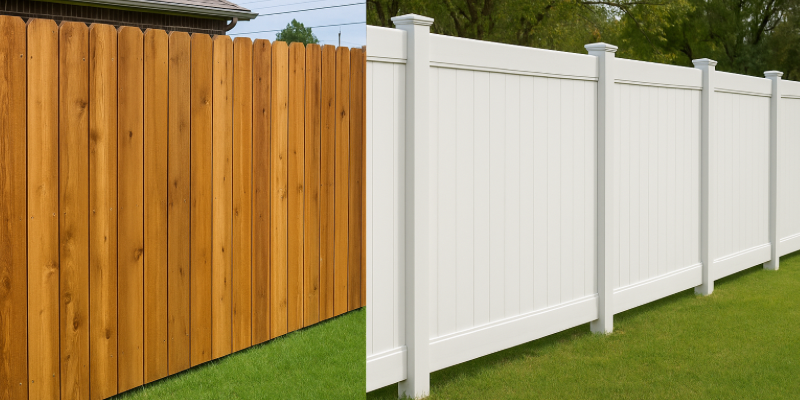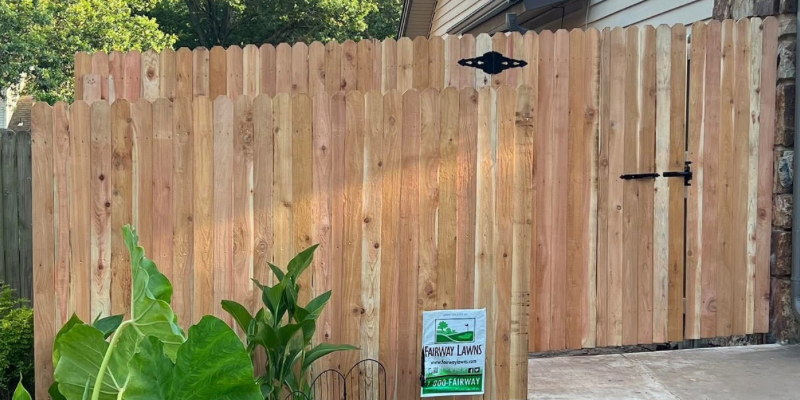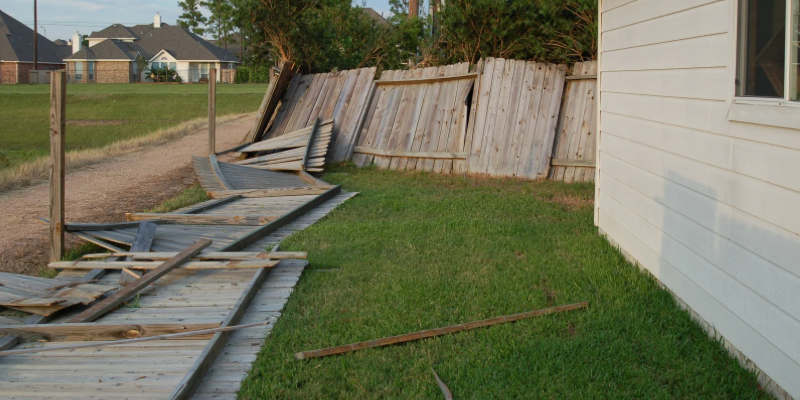

When most Tulsa homeowners think about fencing, the conversation typically ends with privacy vinyl or standard cedar. But there's a centuries-old Japanese technique that's transforming how discerning property owners approach outdoor living, and it's perfectly suited to Oklahoma's punishing climate. At Shepherd Construction, we've introduced Yakisugi to the Tulsa market.
It's not just a fence. It's wood that has literally survived fire to protect your home from the elements.
What Is Yakisugi?
The name tells the story: Yaki means "to burn," and Sugi refers to Japanese Cedar. This technique emerged in 18th-century Japan as a practical solution to the same problems Oklahoma homeowners face today: humidity, insects, and extreme weather.
Japanese craftsmen discovered that deeply charring the surface of cedar planks achieved something remarkable: the wood became nearly indestructible. The carbonized surface raises the ignition temperature (making it fire-resistant), removes the cellulose sugars that attract termites, and creates a hydrophobic shield that repels moisture and prevents rot.
In short, they made wood better by burning it.
Why Yakisugi Works in Tulsa's Climate
Oklahoma doesn't go easy on outdoor structures. Between tornado-season winds, baseball-sized hail, oppressive summer humidity, and active termite populations, most fences have an uphill battle from day 1.
Yakisugi changes that timeline entirely.
Wind Resistance
The carbonization process stabilizes the wood dimensionally, preventing the warping and nail-popping common in pressure-treated pine. When installed on professional steel posts (our specialty at Shepherd Construction), Yakisugi boards can withstand Oklahoma winds that would destroy vinyl panels.
Termite Defense
Tulsa sits in a moderate-to-heavy termite activity zone. Standard wood fencing is a buffet. Yakisugi removes the food source entirely. The charring process vaporizes the cellulose sugars termites feed on, making the fence unappealing to insects without heavy chemical treatments.
Moisture Management
Unlike untreated cedar that soaks up spring rains and develops rot, the carbonized surface causes water to bead up and roll off. Even during Tulsa's humid seasons, the interior wood stays dry and protected.
Hail Recovery
Here's where Yakisugi outperforms vinyl. When hail cracks a vinyl panel, you're replacing sections. With Yakisugi, minor hail damage can be touched up with black oil, blending seamlessly back into the dark surface. The fence heals rather than breaks.
Three Distinct Finishes for Different Tulsa Aesthetics
Yakisugi offers three primary finish levels, each with distinct visual and maintenance characteristics that appeal to different homeowner preferences.
Suyaki (Deep Char)
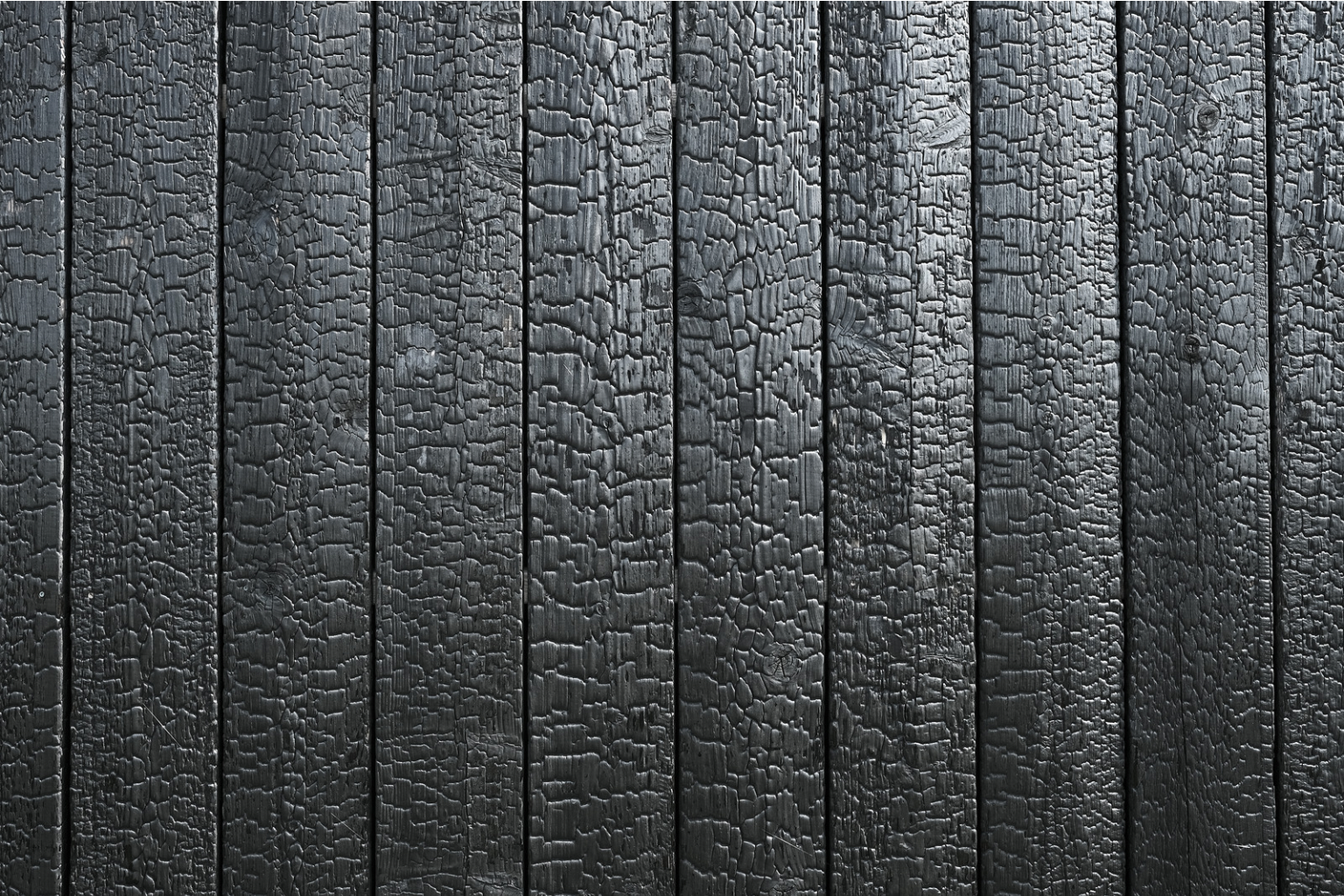
The original, unbrushed finish resembles alligator skin: deeply textured, intensely black, maximum weather protection. This is the zero-maintenance option. Left untreated, a Suyaki fence will slowly weather from black to silver-grey over decades, but the structural integrity remains for 50-80 years. Perfect for homeowners who embrace the natural aging process.
Gendai (Brushed Black)
The char is brushed off to reveal a smooth, silky black surface. Ideal for modern Tulsa homes in Midtown or contemporary builds in Jenks. This finish resists the "soot rub-off" concern and stands up better to hail impact. Requires periodic oiling (every 5-10 years) to maintain the jet-black color, but oil doesn't peel like paint. It soaks in and renews the surface.
Pika-Pika (Tiger Stripe)
Double-brushed to create high contrast where char remains in the grain valleys while the ridges are exposed. The result is a striking 3D effect popular in rustic Oklahoma estate designs. This finish highlights the wood's natural beauty while maintaining the protective benefits of carbonization.
Japanese Cedar vs. Western Red Cedar: What We Offer
Material choice significantly impacts both the visual result and long-term performance of your Yakisugi fence.
Authentic Cryptomeria japonica (Japanese Cedar)
This is the platinum option. Authentic Sugi is exceptionally porous, allowing for deep, consistent charring that doesn't flake. It's lightweight yet naturally rot-resistant, with fine, straight grain that produces refined linear texture. Thanks to specialized importers working with Shepherd Construction, we can now source genuine Japanese Cedar right here in Tulsa.
Western Red Cedar
The premium domestic choice. Legendary for natural oils that resist fungal decay, Western Red Cedar outperforms pine significantly in Oklahoma's climate. Its denser grain structure creates beautiful variations in the char, perfect for achieving the dramatic Pika-Pika tiger stripe effect.
⚠️ What We Don't Offer: Charred Pine
While some competitors may try to sell this, pine lacks natural rot resistance. If hail or impact breaches the char layer, the core will rot rapidly in Tulsa's humidity. We won't compromise on materials.
The Maintenance Question: Performance vs. Aesthetics
This is where Shepherd Construction helps clients make informed decisions.
Path A: Structural Integrity (Wabi-Sabi Philosophy)
Maintenance level: Zero. If you accept natural aging, an un-oiled Yakisugi fence can stand for 50-80 years. The black fades to weathered grey, the soot slowly erodes to reveal wood grain, but the rot resistance remains constant. This embraces the Japanese concept of wabi-sabi, finding beauty in imperfection and transience.
Path B: Forever Black (Aesthetic Preservation)
Maintenance level: Periodic re-oiling every 5-10 years. A simple wash with mild soap followed by oil application keeps the fence jet black indefinitely. Unlike paint, oil never peels. It soaks into the porous carbon and renews the surface.
How Yakisugi Compares to Your Other Options
Understanding how Yakisugi performs relative to traditional fencing materials helps clarify its value proposition.
| Feature | Yakisugi | Standard Cedar | Privacy Vinyl | Pressure Treated Pine |
|---|---|---|---|---|
| Tulsa Lifespan | 50-80 years | 15-20 years | 20-30 years | 10-15 years |
| Rot Resistance | Extreme (carbon shield) | High (natural oils) | Immune | Moderate (chemical) |
| Wind Resistance | High (with steel posts) | Moderate | Low (sail effect) | Moderate |
| Termite Risk | Negligible | Low | None | Moderate |
| Maintenance | Optional oiling | Stain every 2-3 years | Annual wash | Seal every 1-2 years |
| Aesthetic | Organic, textured | Rustic, greys fast | Plastic, static | Utilitarian |
The Shepherd Construction Difference
At Shepherd Construction, we're a veteran-owned company built on a simple principle: Quality that Lasts. We don't install fences that fight Oklahoma's environment. We install materials that adapt to it.
Yakisugi represents everything we value. It's a material with 300 years of proven performance, backed by modern material science, perfectly suited to Tulsa's climate challenges. Whether you choose the deep crusty char of Suyaki for a Midtown sanctuary or the refined Gendai for a modern build, you're investing in a fence that has walked through fire to protect your home.
This isn't the cheapest option. It's the last fence you'll install.
Ready to Explore Yakisugi for Your Property?
We offer free consultations where we'll discuss your aesthetic preferences, maintenance expectations, and site-specific considerations (wind exposure, proximity to trees, design integration with existing structures). We'll show you material samples, explain the finish options, and provide transparent pricing.
Yakisugi isn't for everyone. But for Tulsa homeowners who value authentic materials, superior craftsmanship, and generational durability, it's the perfect choice.
Contact Shepherd Construction Today
Ready to schedule your consultation? Our team will help you explore Yakisugi options for your property.
Veteran-owned. Tulsa-based. Built to last.
Shepherd Construction serves Tulsa, Broken Arrow, Owasso, Jenks, and surrounding communities with premium fencing solutions. All installations feature professional steel post systems engineered for Oklahoma wind loads.